Chandru Ramesh
Historian • Space Archaeologist • Author
Bringing academic rigor, scientific methodology, and civilizational perspective to audiences around the world.
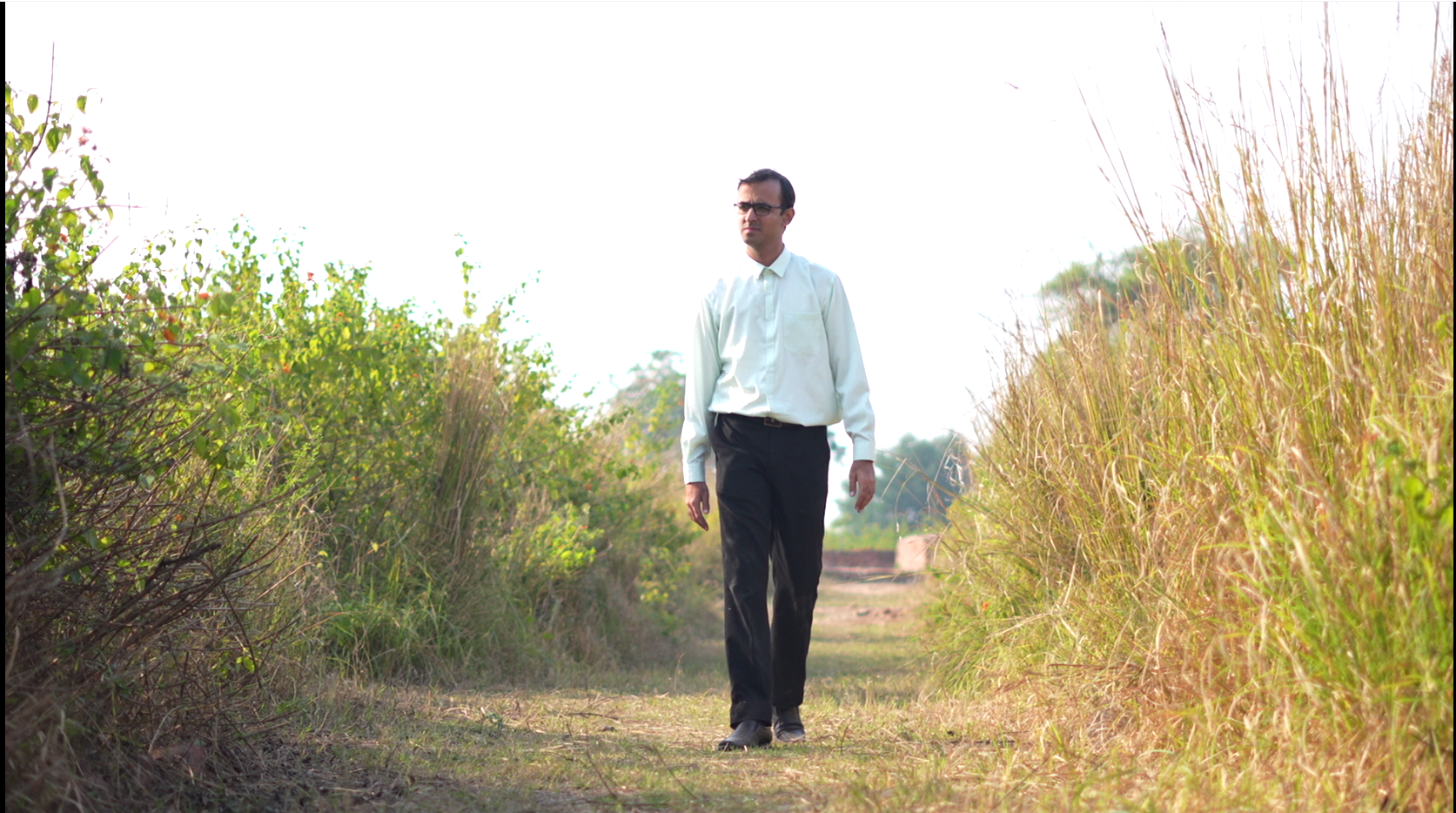
Intersection of History & Technology
Chandru Ramesh is a historian, space-archaeology researcher, and author who works at the intersection of archaeology, technology, and civilizational studies.
A former software engineer who transitioned into historical research, his work focuses on using scientific, multidisciplinary methods to study India’s ancient history and heritage landscapes.
He is the author of Mahabharata: Myth or History? and Archaeology from the Skies, examining history using evidence from geology, astronomy, textual studies, and remote sensing.
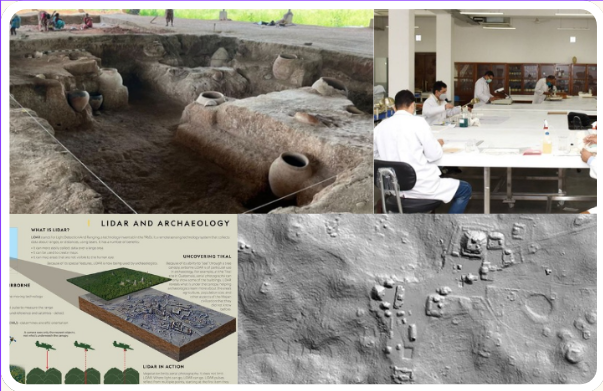
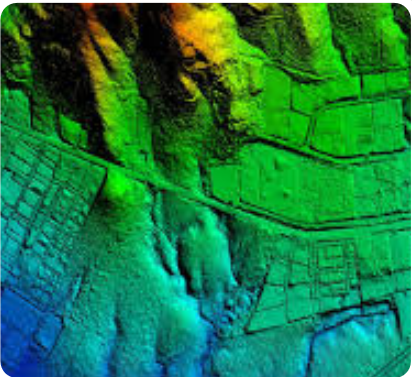
As Director of Historika Foundations, he leads initiatives focused on heritage mapping, conservation, and archaeological research using LiDAR, SAR, GIS, and drone-based surveys.
Online Webinars
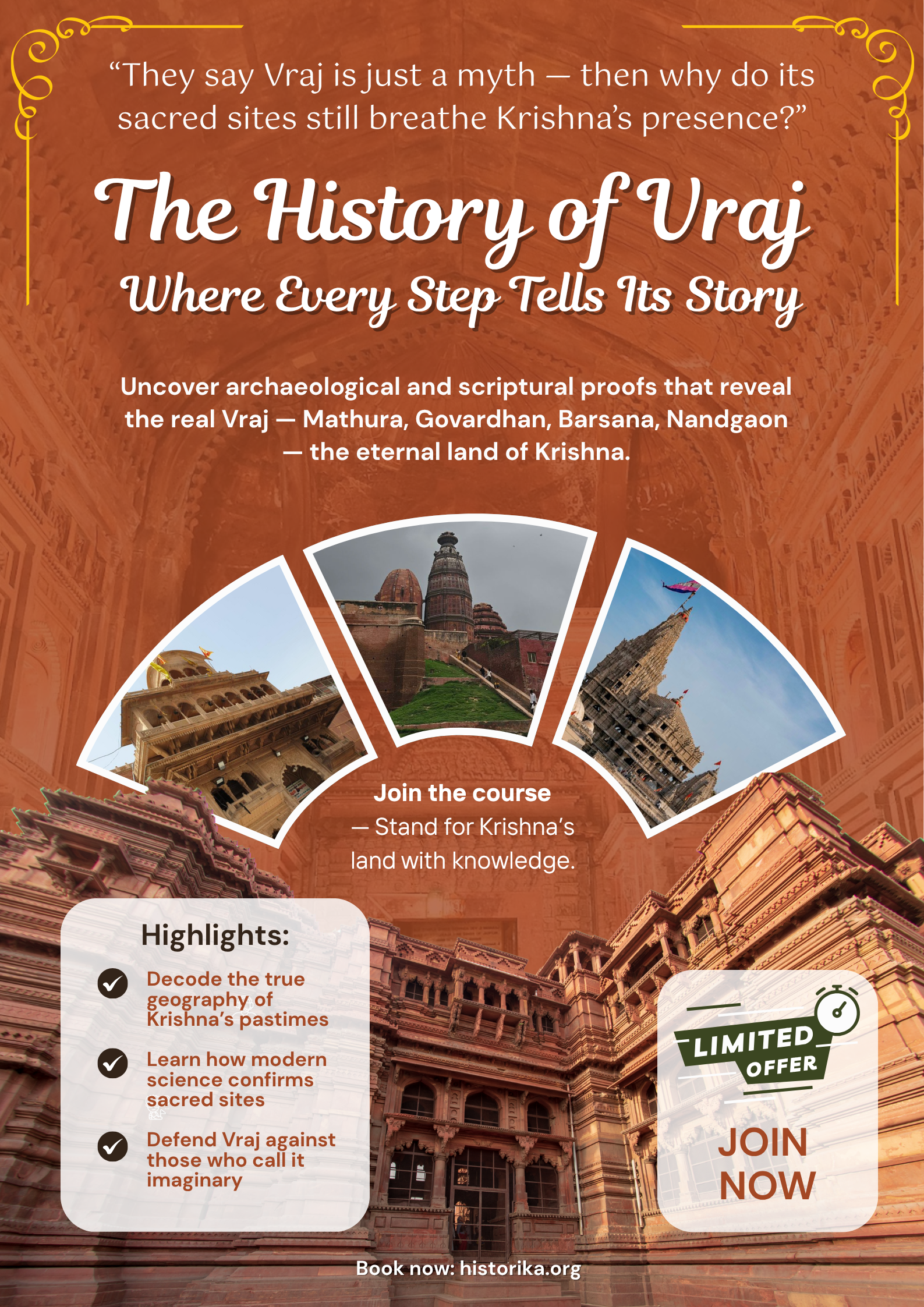
Sacred Geography of Braj
Archaeological history of Krishna, Vraj, and the Vaishnava tradition explored through historical geography.
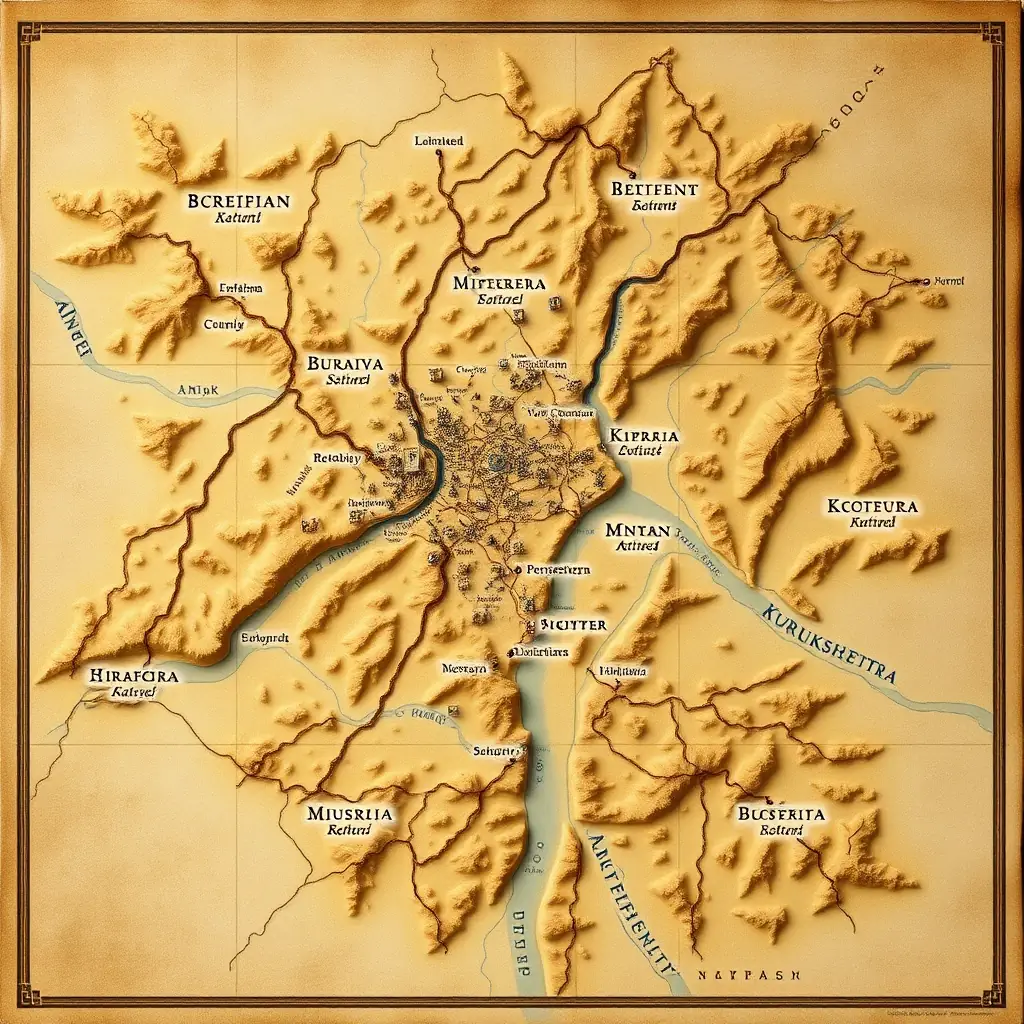
Epic-Age Kingdoms
Evidence-based exploration of the kingdoms and historical geography described in the Mahabharata.
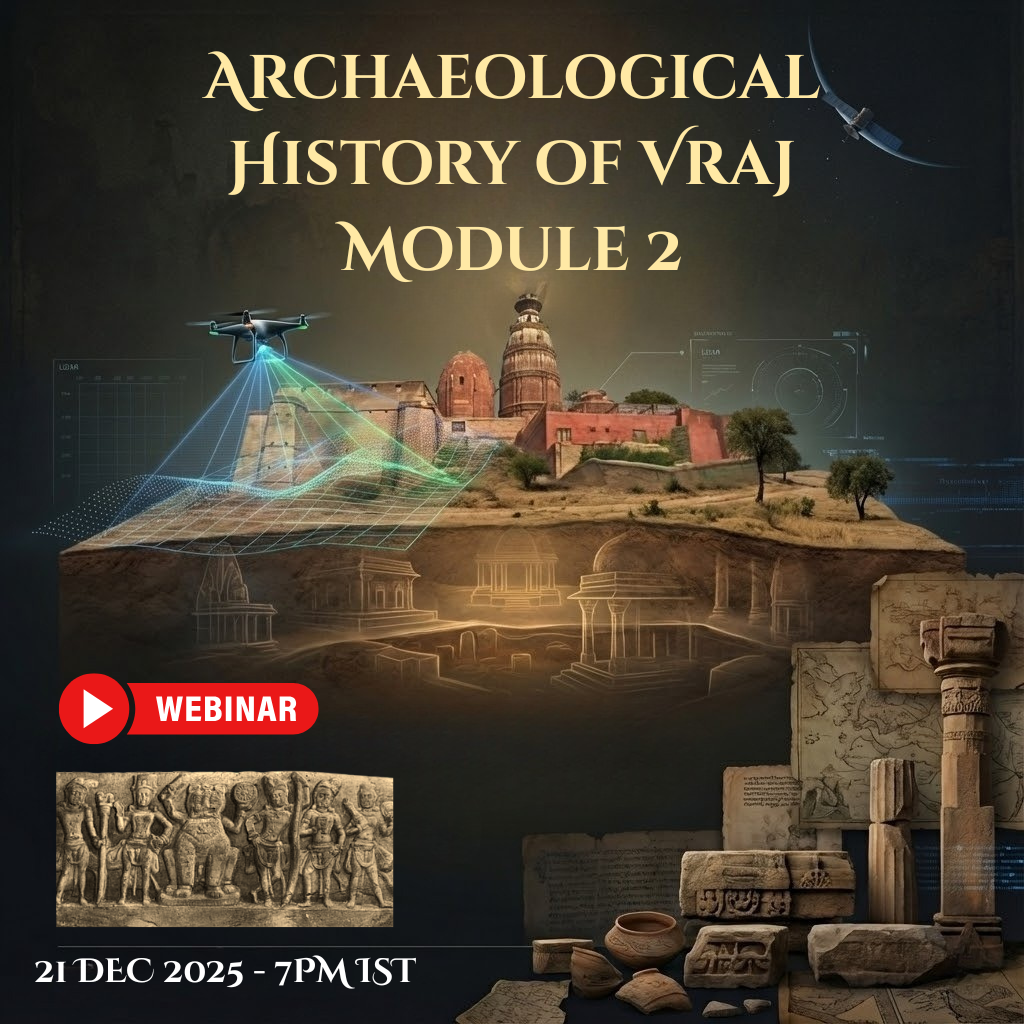
Ancient Engineering
Science, technology, metallurgy, and advanced water management systems in ancient India.
Civilizational Influence
Tamil Sangam literature, early historical traditions, and the global spread of Vedic heritage.
Structured Lectures & Seminars
Delivered in-person or hybrid formats for universities, cultural organizations, and corporate forums.
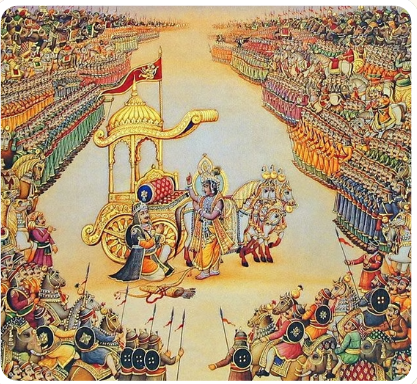
This seminar explores the Mahabharata and the life of Śrī Krishna through a historical and archaeological lens. Rather than approaching the epic as mythology, the talk examines geographical correlations, archaeological indicators, textual cross-references, and scientific dating.
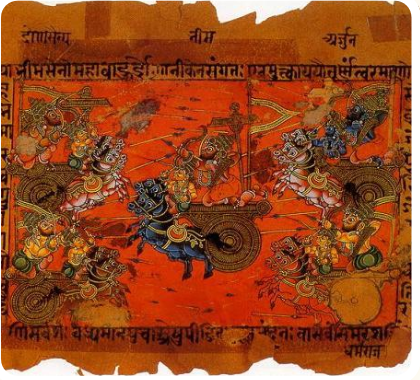
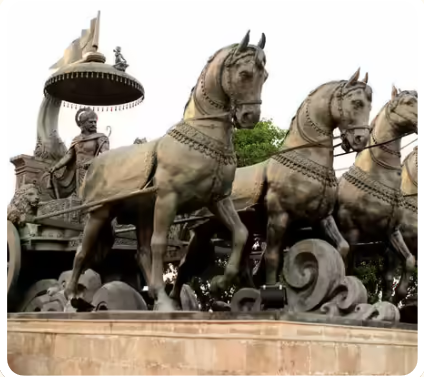
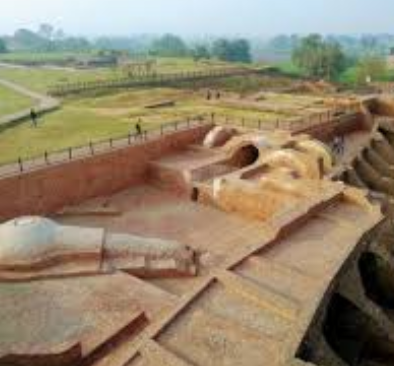
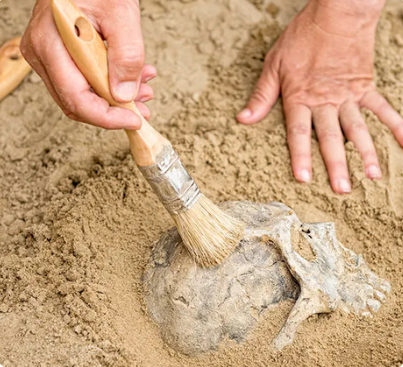
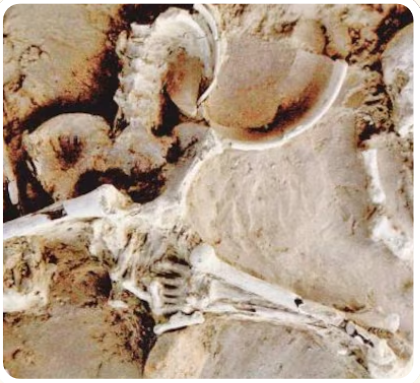
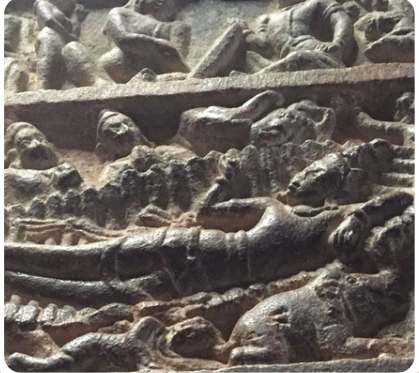
A structured, multidisciplinary investigation into whether the Mahabharata describes a historical conflict. The seminar draws upon archaeology, chronology, astronomy, anthropology, and textual analysis to present how historians evaluate large-scale ancient events.
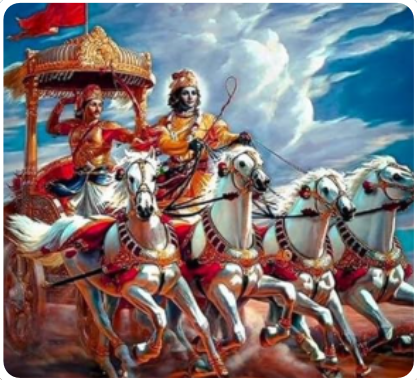
This seminar examines the scientific and technological achievements of ancient India using archaeological and material evidence rather than romanticized claims. It highlights systematic knowledge in engineering, metallurgy, water management, astronomy, and urban planning.
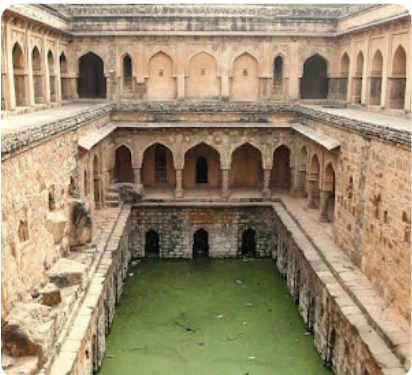
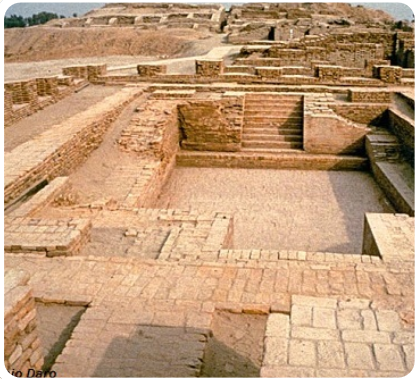
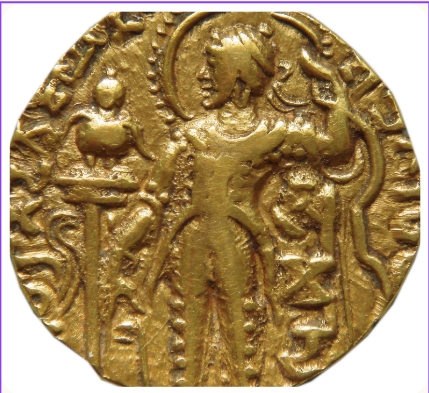
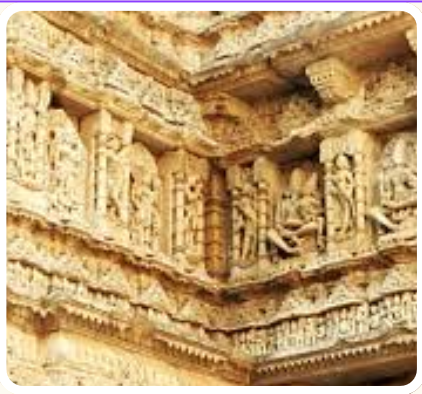
An in-depth exploration of Braj as a living civilizational landscape—where history, devotion, culture, and geography intersect. The seminar balances archaeological evidence with cultural continuity, offering grounded, scholarly perspectives.
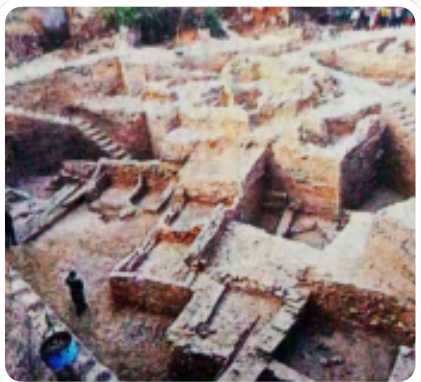
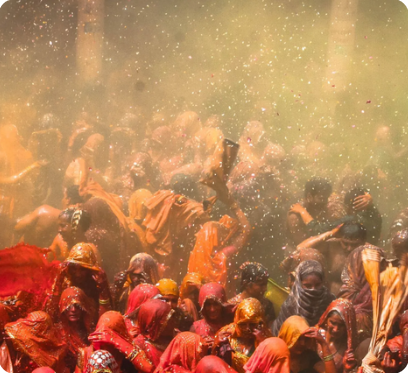
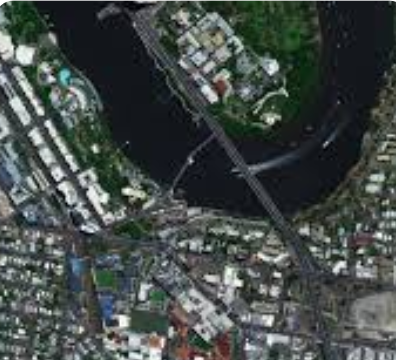
India is losing undocumented heritage at an unprecedented pace. This seminar explains why scientific documentation—using satellite imagery, space archaeology, and non-invasive technologies—is the foundation of effective conservation and policy planning.
A global-context seminar positioning India as the world's most continuous living civilization. It examines India's unmatched density of heritage—tangible and intangible—and argues why India must lead the world in heritage documentation and knowledge creation.